Record the vehicle identity
Start with year, make, model, engine, transmission type, drivetrain, and market when known. If a VIN or partial VIN is appropriate for your workflow, include it with the request rather than sending it later.
Use this guide before requesting a quote or selecting a replacement. It is written for busy service teams, counter staff, wholesale buyers, and catalog operators who need a calm checklist rather than a confusing parts maze.
This guide does not replace vehicle-specific confirmation. It helps buyers gather the details that make a Continental support conversation more productive.
Start with year, make, model, engine, transmission type, drivetrain, and market when known. If a VIN or partial VIN is appropriate for your workflow, include it with the request rather than sending it later.
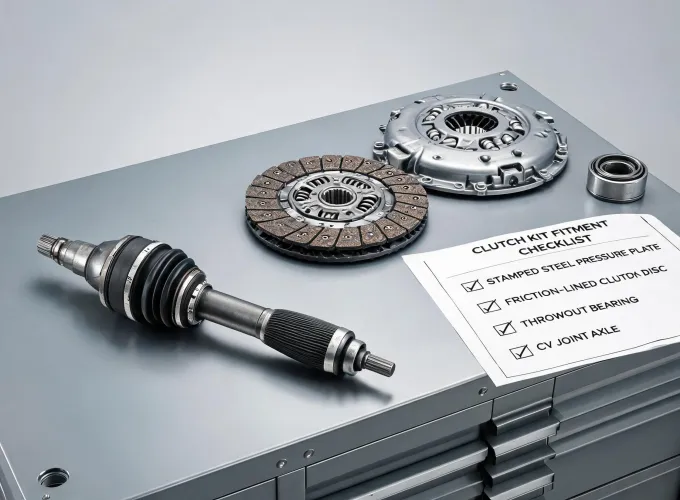
Clutch and driveline parts often depend on physical details. Photos of the clutch disc, splined hub, pressure plate, CV boot, axle end, or labels can clarify the conversation quickly.
A buyer may report slipping, vibration, noise, or a torn boot, but those symptoms do not automatically identify a replacement item. Keep the symptom visible while confirming the actual part family.
A repair workshop may need speed, a wholesaler may need documentation, and an ecommerce catalog may need clean wording. The same part question can require a different support response.
If details are missing, write them down instead of hiding the uncertainty. Continental support can help identify which missing details matter most before an order or replacement is treated as final.
Independent repair workshops should lead with vehicle details and service urgency. Dealer service departments should include documentation needs and customer-facing constraints. Wholesale replacement-parts buyers should include quantity, market, and whether a cross-reference is being considered. Specialist performance garages should include interface details and any planned use that may affect component choice. OEM and OES sourcing teams should state qualification, documentation, and program expectations. E-commerce auto parts catalogs should share the listing context, category language, and any confusing customer search behavior.
The common thread is transparency. Continental can be more helpful when the request includes what the buyer knows, what they still need confirmed, and what decision they must make next. That keeps the conversation grounded in practical parts selection instead of broad claims.
A clear request can reduce back-and-forth and help your team prepare a better quote, replacement, or catalog note for Driveline & Clutch Parts.
Send a fitment question